
Concrete Runoff and Stormwater: A Guide for Canberra's South-East Lake Edge
When it rains on a building site, the water has to go somewhere. In Canberra, it runs off roads, roofs and paths into the stormwater system, and there is no treatment plant at the end of it. If concrete runoff, slurry (the watery mix left over from concrete work) or loose soil gets into a drain, the stormwater can carry it to local waterways.
That matters in this corner of the city. Water from the Fyshwick catchment, including the wetland on Eyre Street in Kingston, flows through Jerrabomberra Creek and the Jerrabomberra Wetlands on its way to Lake Burley Griffin.
You might own or manage a property around the Kingston Foreshore east edge, The Causeway or north Fyshwick. You might be planning a driveway, slab, path, concrete removal or excavation. This guide explains, in plain language, what the ACT rules say, who is responsible for what, what to check before work starts, and how washout and slurry should be handled.
Here's what this guide covers:
- Where Your Stormwater Goes in Canberra's South-East Lake Edge
- What the ACT Rules Say About Concrete Runoff
- Who's Responsible on a Concrete Job
- Setting Up Before Work Starts, Including Street Delivery
- Handling Washout, Spills and Slurry
- Demolition and Excavation: Sediment Beyond the Pour
- A Quick Checklist Before Your Project Starts
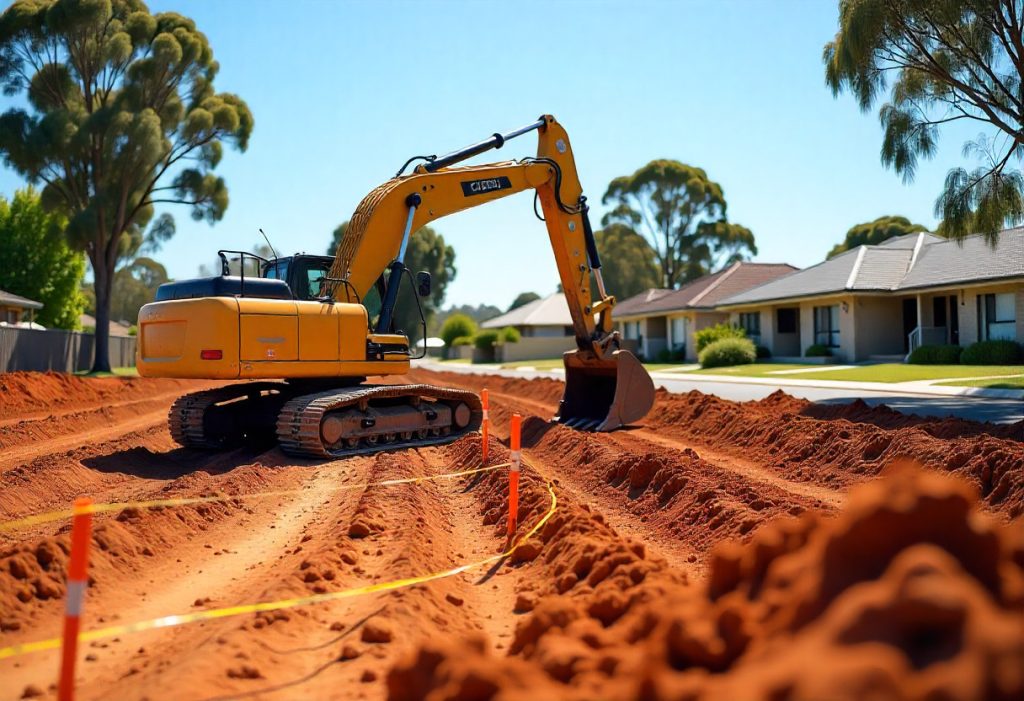
Where Your Stormwater Goes in Canberra's South-East Lake Edge
Whenever it rains, water runs off roads, roofs and footpaths into the stormwater drains. Along the way, it picks up whatever is lying around and carries those pollutants to local waterways.
There is no treatment plant for the stormwater system. Whatever goes into a drain is not cleaned at a plant before it reaches a creek or lake.
In this part of Canberra, wetlands do some of that filtering work. The ACT Healthy Waterways project has built three wetlands in the Fyshwick catchment:
- one at Narrabundah
- one in Kingston, between Eyre Street and the Jerrabomberra Wetlands
- one on Jerrabomberra Creek, off Dairy Road
The wetland beside Jerrabomberra Creek on Eyre Street helps improve water quality in the creek and in the Lake. It supports the Jerrabomberra Wetlands in filtering stormwater before it reaches Lake Burley Griffin. This catchment was a priority from the very start of the Healthy Waterways project.
At catchment level, the path looks like this:
Fyshwick catchment drains → Jerrabomberra Creek → Jerrabomberra Wetlands → Lake Burley Griffin
The Jerrabomberra Wetlands sit on the Molonglo River floodplain, near the Kingston Foreshore. They formed after Lake Burley Griffin was filled, which created a high water table in the area. Today, the Woodlands and Wetlands Trust manages the Wetlands, with a mandate to protect wildlife habitat.
What the ACT Rules Say About Concrete Runoff
Is it illegal to let concrete runoff into stormwater drains in the ACT?
Yes. Under the Environment Protection Act 1997, it is an offence to allow contaminated water to enter the stormwater system. A few other points are worth knowing:
- Penalties stated in Access Canberra guidance range from $100 on-the-spot fines up to court fines of $50,000, six months' jail and a criminal record.
- Concrete spills must not be hosed into the stormwater system.
- Sediment controls (measures that stop soil and loose material washing off a site) must be in place before work starts. For street delivery, they must be in place before pouring.
- Stormwater in the ACT is not treated before it reaches waterways.
The offence, the penalty range and the site rules above all come from Access Canberra's guidance on preventing pollution from concreting operations.
There is also a wider set of rules for building work. The ACT EPA's Guidelines for Construction and Land Development (2022) apply to all land development and construction sites. Their main focus is erosion and sediment control. They also cover noise, air emissions, waste, contamination, biodiversity and climate change.
This guide is general information, not legal advice. Requirements can change, so check the latest guidance from Access Canberra and the ACT EPA before your project starts.
Who's Responsible on a Concrete Job
On a concrete job, different parties carry different duties. Access Canberra's guidance splits them like this:
| Party | Responsibility |
|---|---|
| Builder or site manager | Have sediment controls in place before work starts, including a designated wash-down area (a set spot for washing down tools and equipment). |
| Concrete provider | Train the drivers of its agitator trucks (the concrete mixer trucks that deliver to site). |
| Concrete pumping contractor | Make sure its staff and subcontractors don't cause harm through spillage or leakage. |
The general offence is written to apply to any person who allows contaminated water to enter the stormwater system.
If you're planning a driveway, slab or path, you can talk to our Canberra concreting team about how runoff will be managed on your job.
Setting Up Before Work Starts, Including Street Delivery
The ACT guidance puts the setup work at the start of a job, not partway through. Sediment controls and a designated wash-down area should be in place before work begins.
Street delivery has its own rule. If your site has restricted access and concrete has to be delivered on the street, sediment controls must be in place before pouring begins.
Before the pour, check that:
- sediment controls are set up before any work starts
- a designated wash-down area is in place before any work starts
- if the concrete is delivered on the street, sediment controls are in place before pouring begins
Getting this right at the start matters because anything that reaches a street drain heads into the stormwater system, with no treatment plant along the way.
Handling Washout, Spills and Slurry
Most of the risk comes during and after the pour. That's when washout (washing leftover concrete off tools and equipment), spills and slurry need handling.
The first rule is simple. Concrete spills must not be hosed into the stormwater system.
For small amounts of slurry, Access Canberra's guidance describes this disposal method:
- Dig a ditch and line it with plastic or geotextile (a fabric sheet that holds solids in place).
- Put the slurry into the lined ditch.
- Leave it until the water has evaporated.
- Take the remaining solids for recycling, use them as road base, or send them to landfill.
This method is described for small amounts only.
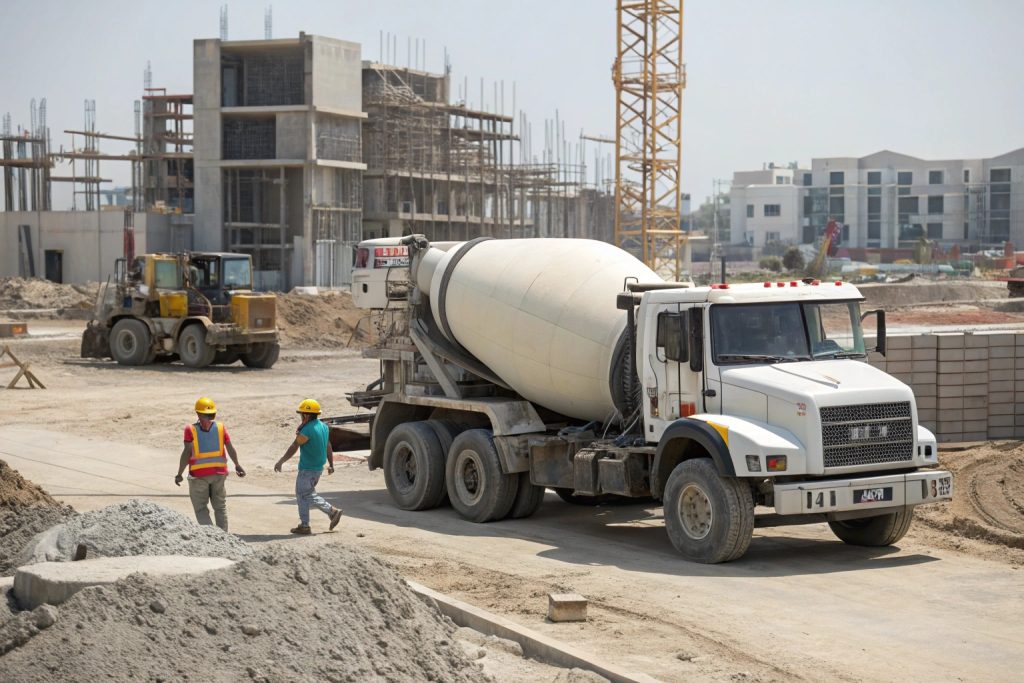
Demolition and Excavation: Sediment Beyond the Pour
Concrete work often starts before the pour. An old slab may need to come out, or the ground may need digging and levelling first. The stormwater rules still apply at these stages.
Demolition stage. The offence under the Environment Protection Act 1997 isn't limited to fresh concrete. It covers contaminated water entering the stormwater system, whatever it comes from. When an old driveway or slab is being broken out, the same stormwater offence applies to any contaminated water leaving the site.
Excavation stage. The ACT EPA's Guidelines for Construction and Land Development (2022) apply to all land development and construction sites. Their main focus is erosion and sediment control, which is relevant to site excavation, trenching and site preparation.
In this corner of Canberra, that matters for the same reason as the pour. Drains in the catchment feed Jerrabomberra Creek and the Wetlands on the way to the Lake.
You can read more about our site preparation and excavation work.
A Quick Checklist Before Your Project Starts
Before work begins, ask your contractor these questions:
- ☐ Will sediment controls and a wash-down area be set up before work starts?
- ☐ If the truck or pump stands on the street, will sediment controls be in place before the pour?
- ☐ How will spills and washout be kept out of the stormwater drains?
- ☐ How will slurry be dealt with?
Requirements can change, so check the latest guidance from Access Canberra and the ACT EPA before your project starts.
A little planning on your site helps protect Jerrabomberra Creek, the Wetlands and Lake Burley Griffin downstream.
If you're in Kingston or The Causeway and your questions are about approvals, our Kingston page covers approvals and local considerations.
Planning a driveway, slab, path, concrete removal or excavation in this corner of Canberra? Get in touch with our concreting team to discuss your project, including how stormwater protection will be handled.
Areas We Serve
We Service The ACT & surrounding areas.
(02) 6130 0794